Population health goes well beyond analyzing trends and identifying disparities. It’s about using data in a way that strengthens relationships, closes gaps in care, and ensures people feel seen, heard, and respected by the systems designed to serve them. While healthcare organizations can collect all the right data, they will still miss the real goal if communities do not trust them. For historically marginalized communities especially, trust is built through access, representation, clear communication, and consistent follow-through over time. Many healthcare leaders talk about population health as a data challenge, but it is also a trust challenge. If patients do not believe outreach is relevant, respectful, or safe, they are less likely to engage with screenings, follow-up visits, chronic care management, and preventive services.
That is why community trust has become a foundation rather than a side benefit. When healthcare organizations combine strong data analytics systems with community-centered engagement, they can improve outcomes in ways that are more durable and equitable.
Why Trust Drives Outcomes
Whether someone answers a call, attends an appointment, or returns for follow-up care often comes down to trust. And trust isn’t built through one-time campaigns. It grows through consistent, transparent engagement and strong, ongoing relationships.
For marginalized communities, trust is also shaped by whether the organization reflects the community it serves. Representation in staff, culturally responsive communication, and accessible services all influence whether people see healthcare organizations as credible partners or distant institutions.
Data with a Purpose
Data alone does not improve health outcomes; action does. Population health tools are most useful when they help organizations identify care gaps, stratify risk, and prioritize outreach across entire patient panels.
Azara Care Connect (ACC) helps care teams build trust by making outreach more organized, timely, and consistent. By bringing care coordination and care management workflows into one place, ACC helps organizations identify patients who need follow-up, close care gaps, and document outreach in a way that supports more responsive care. When patients experience clear communication, reliable follow-through, and coordinated support, they are more likely to see the organization as a trusted partner in their health.
Additionally, a tool like Azara’s Risk Stratification Dashboard helps teams move from broad population views to actionable insight. It provides a population-level view of criteria, weightings, score distribution, thresholds, and identification of high- and rising-risk patients. It is this kind of visibility that helps organizations prioritize the right outreach instead of treating all patients the same.
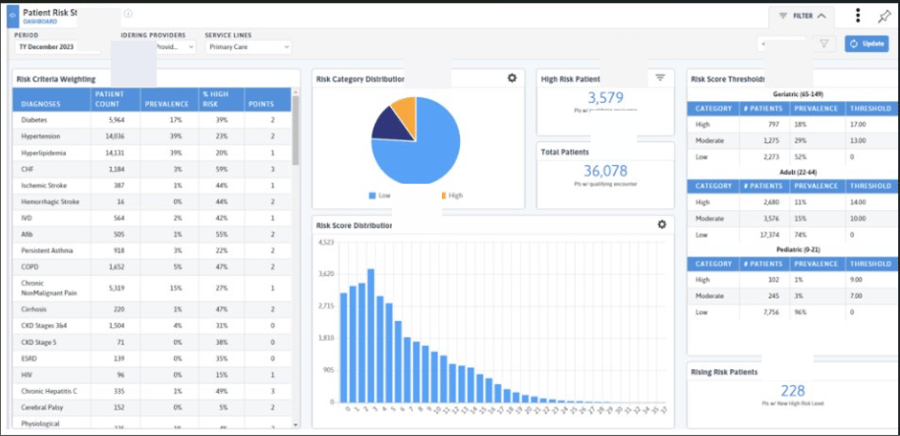
Figure 1. Risk Stratification Dashboard
Azara Patient Outreach (APO) adds the communication layer. It supports automated text and automated call campaigns using Azara DRVS visit and care gap data, which helps teams reach patients regarding preventive care, follow-up visits, and other priority actions. Just as importantly, APO tracks patient responses, follow-up actions, and campaign performance. That feedback loop helps organizations refine message timing, adjust outreach methods, and see which campaigns are producing engagement. When outreach is tied to measured response, it becomes easier to build trust through consistency and relevance.
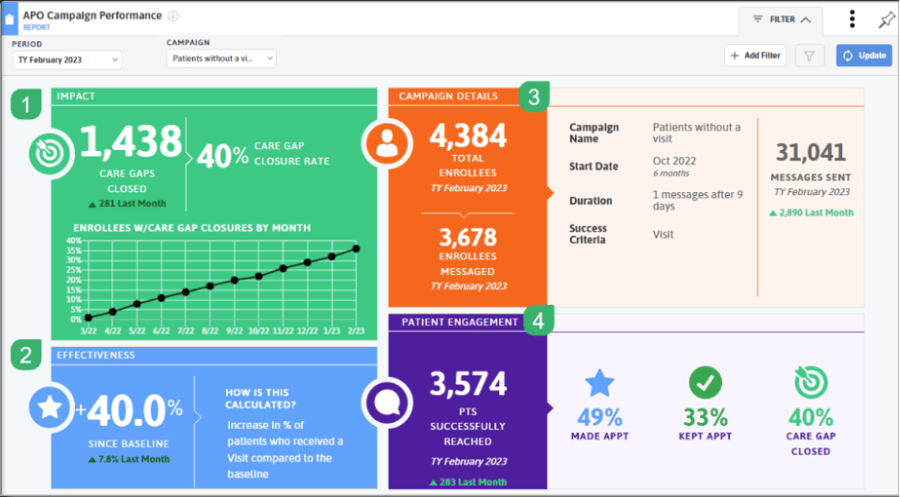
Figure 2. Azara Patient Outreach (APO)
When used well, data becomes a relationship tool. It helps teams reach the right people at the right time with messages and services that feel timely rather than generic.
Where Gaps Appear
The most important gaps are often not clinical. They show up in missed follow-up appointments, low preventive screening rates, incomplete referrals, and poor engagement after hospital discharge.
These gaps often reveal a trust challenge underneath the operational problem. A patient may not return because the clinic is hard to reach, instructions were unclear, language support was missing, or prior experiences made the system feel unwelcoming.
Community-level insights help organizations see patterns they might otherwise miss. If one neighborhood consistently has lower engagement or higher no-show rates, that can point to transportation barriers, communication issues, or a mismatch between services and community needs.
Trust in Rural Communities
In rural communities, community trust is especially critical because resources are limited, access is often inconsistent, and the need for care is high. Population health efforts in these settings cannot rely on data alone; they must also be grounded in relationships, local credibility, and consistent follow-through. The Rural Health Transformation Program (RHTP) reflects this reality by supporting strategies that promote building technology infrastructure to strengthen access, improve outcomes, and make care more responsive to the unique needs of rural communities. In practice, the most effective population health approaches are those that combine data-informed outreach with community-centered engagement, because lasting improvement depends on both action and trust.
Closing Points
Community trust is foundational for increasing patient engagement and optimizing health outcomes. People are far more likely to act on care recommendations when they view the system as credible, responsive, and aligned with their needs. While data plays a critical role in shaping outreach strategies, it should enhance, not replace, the human connection that ultimately drives engagement. At the same time, community-level reporting offers valuable insight into where engagement is falling short and where follow-up processes may be breaking down.
Effective care coordination sits at the intersection of these elements and works best when clinical data is meaningfully connected to the realities of community context. Rather than one-off interventions or disconnected efforts, this combination of data-informed action paired with consistent, authentic engagement builds lasting trust.
Related Articles

Supporting Better Cholesterol Management with New AMA MAP™ Measures in DRVS
Explore Insights
From Funding to Transformation: 4 Solutions Helping Rural Healthcare Organizations Achieve RHTP Goals
Explore Insights