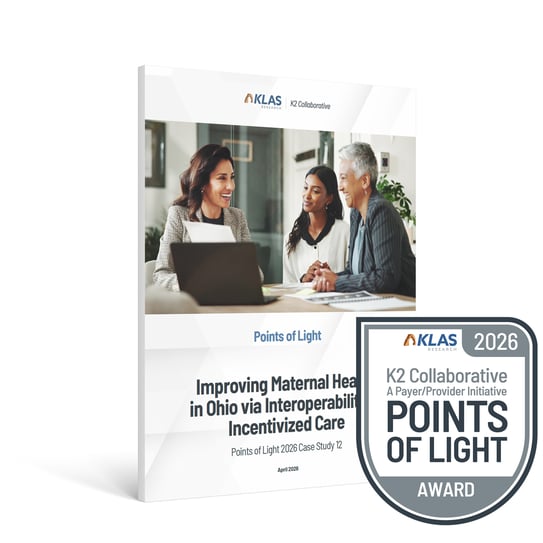
 Improving Maternal Health in Ohio via Interoperability & Incentivized Care
Maternal health outcomes don’t improve by chance—they improve through smarter systems, stronger collaboration, and better data. This compelling case study reveals how Ohio transformed a fragmented, manual process into a streamlined, statewide solution that is reshaping how pregnancy risk is identified and managed. By aligning providers, payers, and state agencies around a shared goal, this initiative demonstrates what’s possible when interoperability and incentives work together to drive real change.
Access the full case study to learn: